What a Clipping Campaign Is and How to Join One in 2026
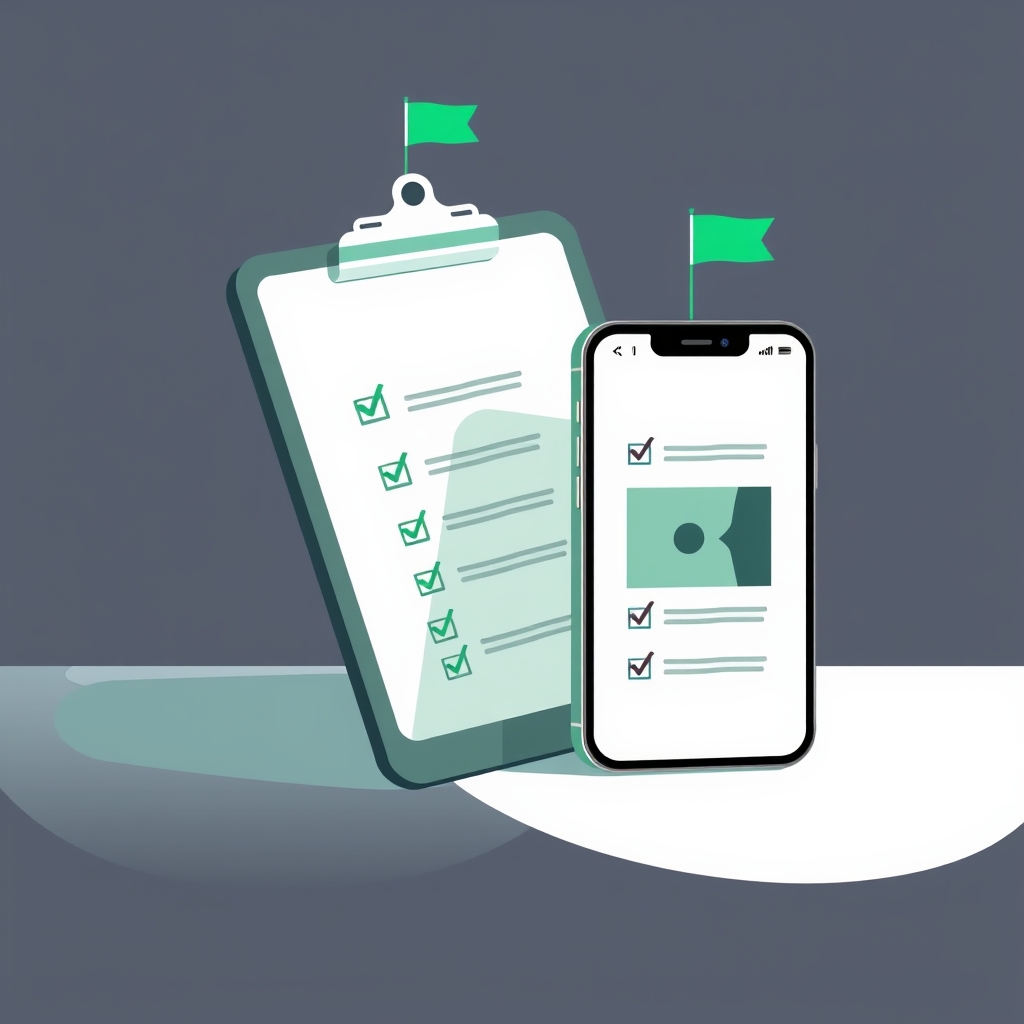
A clipping campaign is a funded brief where a brand pays creators to cut its long video into short clips. The reward is stated, and the budget is reserved before it goes live.
On this page16
A clipping campaign is a funded brief where a brand pays creators to cut its long video into short clips. The brand owns the footage, the campaign states the reward, and the budget is reserved before the campaign goes live. You apply, you cut, you submit, and approval releases payment.
It is the cleanest form of clip work there is, because the brief is written and the money is committed before anyone starts. This guide explains how a clipping campaign works and how to join one.
What makes a campaign different from a gig

The words get used loosely, so it is worth separating them.
A gig is a one-off job. You find a client, agree a price, do the work, and invoice. You carry the negotiation and the risk.
A campaign is a structured brief with a reserved budget. The brand writes down what it wants, funds it before it goes live, and pays on approval. You apply to it the way you would apply to a job, and the terms are already set.
The difference is who carries the risk. On a gig, you do. On a funded campaign, the brand does, because the money is committed before you start.
What a clipping campaign contains
A well-written campaign answers every question before you apply.
- The source video, so you know what you are cutting.
- The number of clips, so you know the scope.
- The length range, so you know the shape.
- The target platform, which decides the aspect ratio.
- The reward, stated upfront.
- The deadline, so you know the pace.
- The approval step, so you know what counts as done.
If any of those is missing, ask before you apply. A campaign that cannot answer them is not ready to pay.
How the work flows, step by step
On Allgig, the order is fixed, and the order is the point.
- The brand writes the brief and states the reward.
- The brand funds the campaign, so the budget is reserved before it goes live.
- You apply, usually with a sample or a short pitch.
- The brand selects the creators it wants.
- You cut the clips and submit them for review.
- The brand approves, or asks for a change.
- Approval releases payment to your wallet.
- You withdraw when you are ready. A first withdrawal is reviewed by hand, and larger withdrawals go through the same check.
Notice that the funding happens before the applications. That is the difference between a funded campaign and a promise.
How to join a clipping campaign
Joining is simpler than most people expect, and the work is in the preparation.
First, read the brief properly. Most rejected clips fail on the brief, not the edit. If it asks for three clips under 30 seconds, four clips at 45 seconds will not pass.
Second, show what you can do. A short sample or a clear pitch is usually enough. You do not need a portfolio full of paid work. You need to show you can find the moment and cut it clean.
Third, apply to more than one campaign. Not everyone who applies gets the work, and that is normal. Applying widely is how you find the campaigns that fit you.
Fourth, submit on time. A late submission is a rejected submission, no matter how good the clip is.
Why funded-first matters
Most complaints about clip work come down to one thing: the creator did the work and the payment never arrived. The usual cause is that the brand was never committed to paying. There was no budget, only an intention.
A funded campaign removes that risk at the source. The money is reserved before the campaign goes live, so the question is never whether the brand can pay. It is only whether the work gets approved.
That does not mean every submission is approved. It means the money is real and waiting. If your clip is approved, payment follows. If it is not, you know why.
What you need before your first campaign
Less than most people think.
You need a phone or a laptop that can run a basic editor. You need the source video, which the campaign provides. You need an eye for the moment that makes someone stop scrolling. And you need to read the brief properly.
You do not need a camera, because the footage exists. You do not need a following, because the clip is judged on its own. And you do not need to show your face, because plenty of clipping work is faceless by design.
Build the sample before the campaign needs it
A clipping campaign rewards consistency more than talent. A creator who submits clean clips every week gets invited back. A creator who submits one brilliant clip and disappears does not.
Start by clipping for yourself. Take a long video you already like, cut three clips from it, and watch them back on mute. If they still hold your attention, you are ready to apply. If they do not, you have found the exact skill to practise.
Keep a small folder of your best clips. When a brief asks for a sample, you already have one. You do not need paid work to show what you can do. You need three clips that prove you can find the moment and cut it clean.
Read every brief you can find, even the ones you do not apply to. The briefs teach you what brands want, and the patterns repeat. After ten briefs you will know the shape of a good submission before you open an editor.
What to expect from your first campaign
Nobody starts with a full calendar of paid clip work, and anyone who promises that is selling something.
The honest pattern is this. You apply to several campaigns. Some do not reply, because the brand picked someone else. One or two invite you to submit. You cut the clips, you submit them, and you learn from the feedback. The second submission is better than the first, because you now know what the brand actually wanted.
That is the whole loop. Apply, submit, learn, repeat. The creators who stick with it are the ones who treat the first rejection as information rather than a verdict.
Frequently asked questions
What is a clipping campaign?
It is a funded brief where a brand pays creators to cut its long video into short clips. The reward is stated upfront, the budget is reserved before the campaign goes live, and approval releases payment.
How do I join a clipping campaign?
Read the brief, apply with a sample or a short pitch, and wait to be selected. Not everyone who applies gets the work, so apply to more than one campaign.
Do I need followers to join a clipping campaign?
No. The clip is judged on its own, not on your audience. A brand wants a clip that performs, and that is a craft question.
Do I need to pay to join a campaign?
No. Real work does not charge you to apply. A campaign that asks for a fee before you can see the brief is a red flag.
How do I get paid from a clipping campaign?
On a funded campaign, approval releases payment to your wallet, and you withdraw when you are ready. A first withdrawal is reviewed by hand, and larger withdrawals go through the same check.
What if my clip is not approved?
You get the reason, and you can fix it or move on. The campaign budget stays reserved for approved work, so an unapproved clip does not cost you money you were never owed.
Apply to one campaign this week
The gap between reading about clipping campaigns and joining one is a single application.
Pick a campaign that matches your interests. Read the brief twice. Send a short pitch with one sample clip. If you are not selected, apply to the next one. That is the entire process, and it takes less time than reading another guide.
The clipping work on Allgig is a good place to start, because every campaign states the reward before you apply. If you are checking whether a platform is worth your time, what to check before you trust a clipping platform covers the red flags. And if the money terms are still unclear, the Allgig learning library explains them in plain language.