How to Get Brand Deals: The Two Routes That Actually Work

Somebody with nine thousand followers is quietly earning from brand deals. Somebody with ninety thousand is not. The gap is not about the size of their audience.
On this page13
Somebody with nine thousand followers is quietly earning from brand deals. Somebody with ninety thousand is not. The gap has almost nothing to do with the size of their audience, and everything to do with whether they understand what a brand is actually buying.
Learning how to get brand deals is mostly unlearning one idea. You are not selling your reach. You are selling a piece of work, and the deals go to creators who make that easy to buy.
The two kinds of deal, and why the difference matters
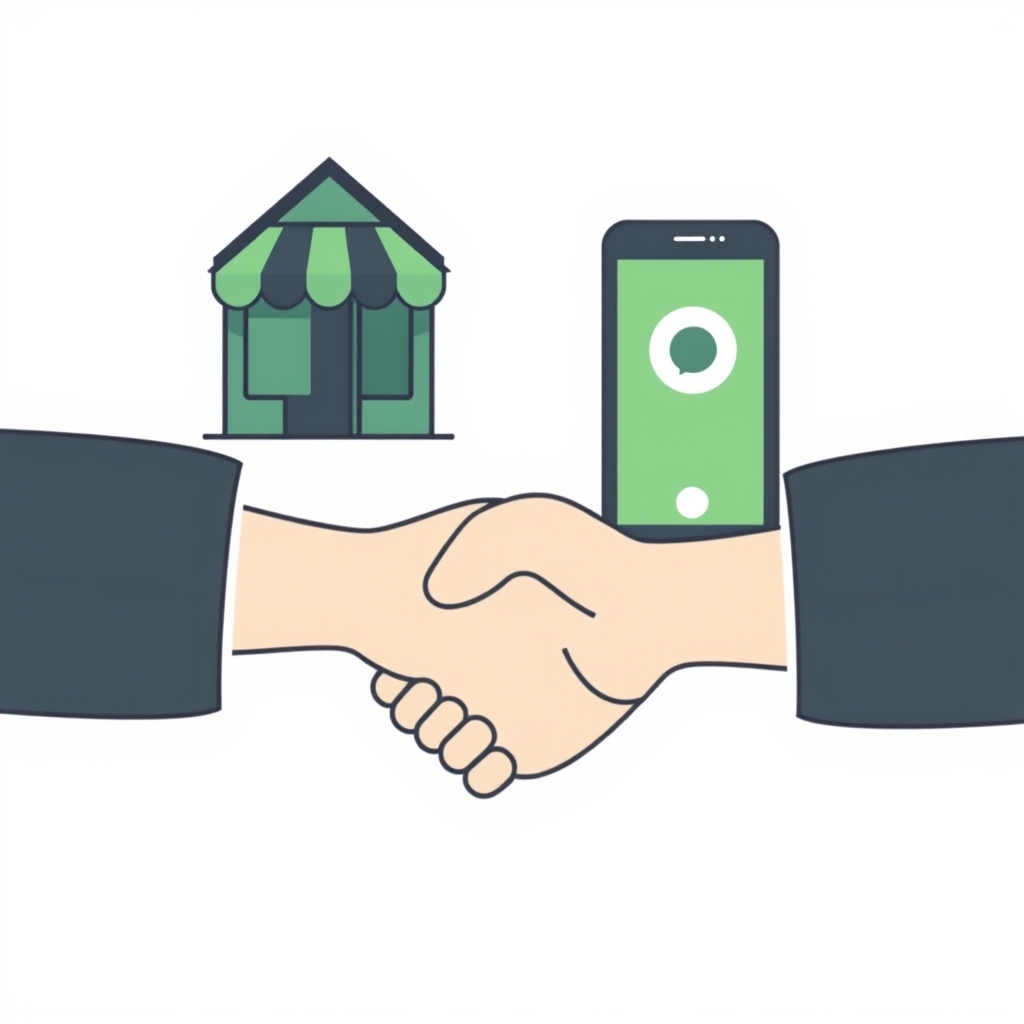
Brands buy two very different things from creators, and confusing them wastes months.
Sponsored content buys access to your audience. The brand wants your followers to see their name. Price is tied to how many people you reach and how much they trust you. This is where follower count genuinely matters, and it is where a large account earns more simply by being large.
Content work buys a deliverable. The brand wants a video it can run on its own channels or behind paid ads. Your following is irrelevant to the deal. What matters is whether you can produce a clip that performs, and this is the door that is open to you today, whatever your account looks like.
Most creators chase the first kind because the second kind is less glamorous. That is precisely why the second kind is easier to win, and why it is the sensible place to begin. Once you have a record of delivering content, sponsored conversations get easier anyway, because a brand that trusts your work will happily hand you a sponsored slot.
Why most creators never land their first deal
It is rarely talent, and it is almost never follower count. Four habits account for most of it.
They wait to be discovered. Inbound brand deals are real, and they are also the slowest possible route, because they depend entirely on somebody else deciding to look for you. Creators who earn steadily are usually running some kind of outreach the whole time, including the ones who make it look like the work simply arrives.
They post about too many things. A feed that moves between skincare, travel, food and personal updates gives a brand no clear reason to pick you over anyone else. Narrow feeds get briefs, because a brief is written for a category and the brand needs to know which one you belong to.
They ask the wrong question. "Can I get a brand deal?" has no answer, because a brand deal is not one thing. "Which briefs can I genuinely deliver this month?" has an answer, and the answer tells you where to apply.
They stop after three attempts. Three unanswered messages feels like rejection. In practice it is a sample size of three in a process where a good response rate is low. The creators who land brand deals are usually just the ones who kept going past the point where it felt pointless.
Where deals actually come from
Three places, and they behave differently.
Inbound. A brand finds you and sends a message. This is the dream version, and it happens most often to creators who post consistently in one narrow category. Posting about skincare, finance and cooking on rotation gives an algorithm nothing to work with and a brand nothing to brief.
Outbound. You find the brand and pitch. Slower, more rejection, and completely under your control. Most creators who earn steadily from deals have some version of this running constantly.
Campaign platforms. A brand publishes a brief, states a reward, and creators apply. You skip the negotiation and the chasing, because the terms already exist. On Allgig the brand funds the campaign before it goes live, so the budget is reserved before anyone applies. That removes the part of outbound pitching that wears creators down most, which is wondering whether the money is real.
What brands check before they reply
They look at your content first, not your numbers. Specifically, they are trying to work out whether your recent posts suggest you can follow an instruction and deliver on time.
So the things that help are dull and practical. A consistent look across recent posts. One clear category rather than five. A bio that says what you make. Somewhere easy to see a few examples of your work, without a login or a download.
The things that hurt are also dull. Posting inconsistently for months and then expecting a reply. A profile that gives no indication of what you actually create. Reaching out in a tone that reads as entitled rather than professional.
Nobody is looking for perfection. They are looking for evidence that you are a safe use of a budget, because approving a bad creator reflects on the person who approved them.
Do I need a big following to get brand deals?
Not for content work. Brands buying a deliverable care about the clip, and small accounts land those regularly.
For sponsored deals, audience size does factor into the price, because the brand is paying for views. Even then, a small account with an engaged niche audience often earns more per follower than a large general one, because the attention is worth more to the right advertiser.
The realistic first month
Nothing dramatic happens in month one, and anyone selling you a faster timeline is selling something.
You apply to campaigns and send some direct pitches. Most do not respond. One or two ask for a sample. You produce something, and either it gets approved or you learn why it did not. Either outcome is progress, because the second one tells you what to change.
The second month is easier than the first, and the fourth is easier than the second. Deals compound because your record compounds. A creator with twelve completed campaigns gets replies that a creator with two does not, and the twelve campaigns were mostly won by applying repeatedly in the early months when nobody knew their name.
The numbers side of brand deals
Nobody can tell you what a brand deal is worth in general, and any page that does is guessing. What you can control is whether you understand the terms before you agree to them.
What you can learn from your own history is more useful than any published figure, and it starts with the first three brand deals you complete. Three things move a rate more than anything else. Scope, meaning how many videos and over what period. Rights, meaning where the brand can run the content and for how long. Turnaround, meaning how quickly they need it. A short clip needed by Friday for paid ads is a different job from a clip needed next month for organic posting, even when the videos look identical.
So when a brand deal arrives, read those three before you look at the number. A generous figure with unlimited rights and a two-day deadline is often worse value than a modest figure with a narrow licence and a fortnight to deliver.
Ask about revisions too. Unlimited revisions on a brand deal is a way for a project to run forever, and a sensible cap protects both sides. Two rounds is a common and reasonable answer.
And keep a record of every brand deal you complete. The category, the scope, the rights, the amount, and how long the whole thing took from brief to payment. After ten entries you will know your own numbers rather than somebody else's, and pricing becomes obvious instead of intimidating.
What to charge, and what to never accept
You will not find a rate card here, because inventing one would mislead you. Rates depend on scope, rights, exclusivity and the brand's budget, and every published number is either a guess or a market average that does not apply to you.
What you can do instead is read the reward on the campaign before you decide. If it is not stated, ask. A brand that cannot name a number before you work has not budgeted for you, and that is the moment to walk away politely.
Never accept a deal that asks you to produce first and discuss payment after. Never pay a fee for access to work. Both patterns are common, and both exist to transfer risk onto you.
There is one genuine exception worth understanding. Allgig charges creators a one-time platform access fee, which is a fee for using the platform rather than a payment for a job, and the terms are visible before you decide. The distinction matters: paying for a platform you can inspect is a business decision. Paying a stranger for a promised deal is not.
How to get brand deals when nobody knows you
Every creator starts here, and the way out is volume with a narrow focus rather than volume with a wide one.
Pick one category you can genuinely speak to and apply only inside it for a month. Ten applications to skincare brands will teach you far more than forty scattered across every sector, because the briefs start rhyming and you can see exactly which phrasing gets replies.
Say what you make in the first line of every message. Not who you are. What you make. "I make thirty-second product demos for skincare brands, and I own two of yours." That sentence does the work that three paragraphs of introduction cannot, because it tells the reader within two seconds whether this message is for them.
Attach one clip, and make it the closest thing you have to their category. A brand deciding whether to reply is not evaluating your whole body of work. They are checking one thing: can this person make something that fits us.
Then move on without waiting. The brands that answer are not the ones you predicted, and the only way to find out which ones they are is to send enough messages that the answer becomes visible.
Building a pipeline instead of chasing
Chasing deals one at a time is exhausting and stops the moment you stop. A pipeline keeps producing while you do other things, and it is the difference between brand deals feeling like luck and feeling like a process.
Keep a simple list of every brand you have ever contacted, with the date and the outcome. Follow up once after two weeks, briefly, and then leave it. Brands change marketing staff frequently, and a polite note six months later sometimes lands with somebody who has never heard of you. That list is also how you spot which brand deals came from which approach, so you stop repeating the outreach that has never once worked.
Give it ninety days before judging it. Brand deals arrive in clusters rather than evenly, and a month of silence followed by three replies in a fortnight is a completely normal pattern. Creators who quit usually quit in the gap between.
Ask satisfied brands for a second campaign rather than a testimonial. That one habit accounts for a large share of the brand deals that creators describe as opportunities landing out of nowhere. Repeat work is easier to win than new work, and most creators never ask, which means the easiest deal available to them goes unused.
And keep posting your own content throughout. Deals arrive more often when a brand can see you are still active, because an account that went quiet three months ago looks like a risk even when the work was good.
What a good first deal looks like
Your first paid deal should be small, clearly defined and easy to complete. Resist the urge to chase something impressive.
A single clip for a product you understand, at a stated reward, with a deadline you can comfortably meet. That is a good first brand deal. It gives you a finished piece of work, a person who can vouch for you, and a realistic sense of how long the process takes from brief to payment.
What you should avoid for a first brand deal is anything unusual. Revenue share arrangements, exclusivity spanning several months, or a brief that wants ten videos before any money moves. All of those exist, all of them are legitimate for somebody, and none of them are sensible while you are still learning how the process works.
Once you have three completed deals behind you, the shape of your next one becomes obvious. You will know what you are worth to whom, how long your turnaround really is, and which categories you want more of. None of that is knowable in advance, which is why the first deal matters more for the information than the money.
Getting more brand deals from the ones you already have
The cheapest deal you will ever win is a second one from a brand that already trusts you.
Most creators never ask, because asking feels like pushing their luck. It is not. A brand that approved your work and paid on time already knows you deliver, and they have more briefs coming than they have creators they trust. Sending a short note three weeks later saying you would happily take another brief costs one message.
Do it properly. Name the campaign you finished, say you enjoyed the category, and ask to be kept in mind. No pressure, no rate negotiation, no long paragraph about your journey. One short message that makes the next brief easy to route to you.
Do the same with brands that rejected you. Some rejections are about fit rather than quality, and those brands will have other briefs later. A polite note after a rejection occasionally becomes a brand deal six months down the line, because you were the creator who took it well.
Handling the awkward parts
Some deals go wrong and the way you handle it matters more than the deal did.
A late delivery, a clip that misses the brief, a brand that goes quiet after you submit. Handle all of them the same way. Say what happened, say what you are doing about it, and give a date. Brands forgive problems that are communicated and remember problems that were hidden.
If a submission is rejected, ask what specifically missed. Most rejections come down to a detail in the brief, and fixing that detail takes less time than starting again. Treat the answer as free training rather than as criticism, because that is what it is.
When you are ready to start, the funded campaigns on Allgig state the reward before you apply, which removes the hardest part of a first deal. If you are still building the basics, how to become a UGC creator covers the earlier steps and building a UGC portfolio explains what brands want to see when they check. The Allgig learning library explains any term you have not met before.