How to Become a UGC Creator in Nigeria Without Agency

To become a UGC creator in Nigeria you do not need an agency, a big following, or expensive equipment. You need a phone, a brief you can follow, and funded work.
On this page30
To learn how to become a UGC creator in Nigeria, you do not need an agency, a big following, or expensive equipment. You need a phone, an understanding of what brands actually buy, and a way to get paid for approved work. The rest is repetition.
This guide walks through how to become a UGC creator step by step, from choosing a niche to landing a funded campaign. It avoids the hype and the invented income claims, because the honest path is more useful than a promise.
What a UGC creator actually does
Before any of the practical steps, one thing worth setting straight. Learning how to become a UGC creator comes down to a set of habits rather than a qualification. You build them by making clips and reading briefs, and the rest of this page is that sequence in order.
A UGC creator makes content for brands: a product review, an unboxing, a testimonial, a lifestyle clip, a short demo. The work looks like something a real customer would film, which is exactly why it performs. People trust it more than a polished advert because it does not look like one.
On Allgig, the flow is fixed. A brand funds a campaign before it goes live, so the budget is reserved before anyone applies. Creators apply, the brand selects who it wants, and the work is submitted for review. Approval releases payment to the creator's wallet. How Allgig campaign funding works takes that funding step apart in more detail.
Notice the order. Funding comes first. That is what separates a real campaign from an empty promise, and it is the reason the answer to how to become a UGC creator starts with funded work rather than with a following.

The honest first step: pick a niche
You cannot become a UGC creator for everyone at once. Brands want to know what you are good at, and a focused profile beats a vague one every time.
Start with something you already use or enjoy. Skincare, food, fashion, fintech apps, fitness, home products, phones. If you have a genuine interest, the content shows it, and the pitches write themselves.
Your niche does not have to be permanent. Most creators shift after their first few campaigns, once they see what they enjoy making and what brands keep asking for. But you need a starting point, and it should be real rather than strategic.
What to film when you have no clients yet
This is the part people get stuck on. You want to become a UGC creator, but you have no brand to make content for.
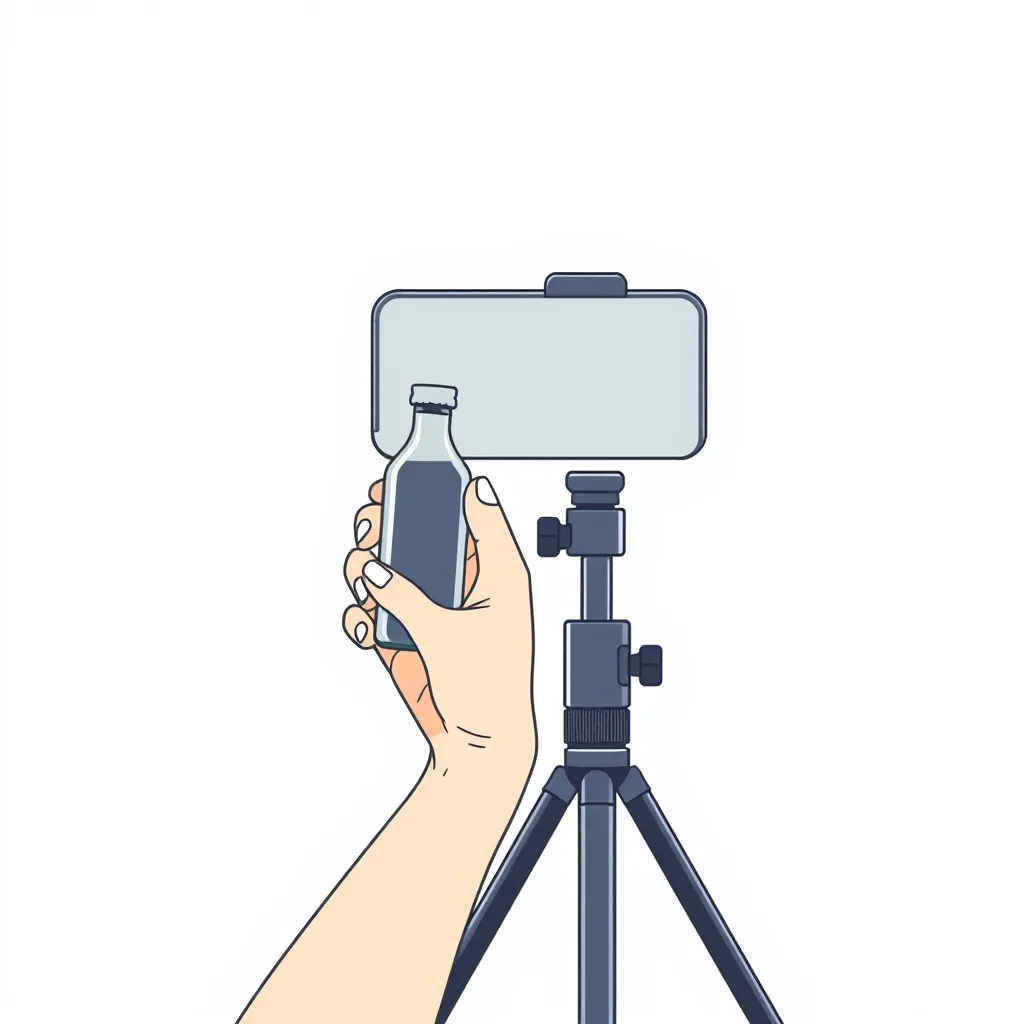
So make content for brands that do not know you exist yet. Pick three products you already own and film a short review of each. Keep them between fifteen and forty seconds. Open on the product, show the one thing that makes it useful, and stop before the clip runs out of energy.
Those three clips are your practice and your portfolio at the same time. You do not need paid work to prove you can do the work. You need three clips that show you can hold a viewer's attention on a product.
Setting up your profile
A brand decides whether to work with you in about ten seconds, so make those ten seconds easy.
- A clear photo, because a faceless profile gets skipped before the content is read.
- A one-line description of what you make, not a list of adjectives.
- Your niche, so a brand can tell at a glance whether you fit the campaign.
- A small set of sample clips, so the brand has something to judge.
A website is not required. Neither is a media kit full of invented statistics. What you need is a profile that answers one question: can this person make the content I need?
How to get your first campaign
There are three honest routes, and they are not equally fast.
Direct outreach is the slowest. You find brands you already like, send a short pitch, and hope for a reply. Most will not answer, and that is not a reflection on your work.
Freelance marketplaces sit in the middle. You can find content work, but the terms vary, and payment is often arranged after the fact.
Funded campaigns are the cleanest. A brand has already written the brief and reserved the budget. You apply, you are selected or you are not, and approval releases payment. This is the route most creators should start with, because the risk sits with the brand rather than with you.
Writing a pitch that gets a reply
Most pitches fail because they talk about the creator instead of the brand's problem.
Keep it short. Name the product. Say what you would film and why it would work for their audience. Attach one clip, not five. Ask for a specific next step rather than leaving it open.
Three sentences and a clip will outperform a long introduction every time. A brand is busy, and a short, specific pitch respects that. Learning how to become a UGC creator is largely learning how to write that short pitch and back it with work.
What to charge, honestly
You will not find a rate card here, because inventing one would mislead you. Every figure you see online is either a guess, a market average that does not apply to your niche, or a number designed to make a course look valuable.

What you can do is look at the reward stated on the campaign before you apply. On a funded campaign, the number is on the brief. You decide whether it is worth your time. That is the honest way to price your work in the beginning: respond to real offers rather than to hypothetical rates. If you want a realistic picture of what the work pays before you commit evenings to it, how much UGC creators make sets out what the numbers actually depend on.
As you build a record of approved work, your options widen, and you can be more selective about which campaigns you take.
How to become a UGC creator without showing your face
Plenty of UGC work does not require you to appear on camera.
Hands-only product demos, unboxings shot from above, screen recordings for apps, voiceover reviews, before-and-after clips. All of these are real formats that brands fund, and all of them can be made at a desk.
Faceless work is a genuine starting point, not a lesser one. It removes the biggest hesitation new creators have, and it still teaches you the same skills: pacing, framing, captions, and following a brief.
The mistakes that stop people becoming UGC creators
Most people who fail at this do not fail because of talent.
- They wait for perfect equipment. A phone is enough, and the source footage is often supplied.
- They apply once and stop. One rejection is not a verdict on your ability.
- They ignore the brief. A clip that misses the length or the topic will not be approved, however well it is made.
- They chase every niche at once. Focus gets you hired, and variety comes later.
- They believe the income promises. Nobody can tell you what you will earn, and anyone who does is guessing.
Fix those and the path gets simpler, because you are now doing the things that working creators do.
How to become a UGC creator in Nigeria when brands are abroad
Nigeria is your first market, and it is a real one. Local brands need content, and local campaigns are easier to win because the competition is thinner.
But the skill travels. A clip that works for a Nigerian brand works for an international one, and the same portfolio can be pitched to both. Start locally, where the campaigns are accessible, and let the record build your reach.
Wherever the brand is, the mechanism is the same. Funded campaign, brief, submission, approval, payment. Learn it once and it applies everywhere.
How long it takes to become a UGC creator
There is no fixed timeline, and anyone who gives you a number in weeks is guessing. What is honest is this: the first step can happen today, and the first paid campaign depends on how consistently you apply.
Learning how to become a UGC creator is mostly repetition. Three sample clips teach you the format. One campaign teaches you how a brief works. A second campaign teaches you what you would do differently. Most people who stay with it are noticeably better by their fifth submission.
The variable is how many times you try, rather than how much talent you started with. Ask anyone who has figured out how to become a UGC creator and they will tell you the same thing: the first clip is awkward, the fifth is ordinary, and the twentieth is work they are proud of.
What to do in your first thirty days
A simple plan works better than a complicated one.
- Start with a niche, then film three sample clips for products you already own.
- Next, set up a clear profile and write one short pitch template you can adapt.
- Then apply to funded campaigns and send three direct pitches.
- Finally, learn from every response, fix the samples if the feedback calls for it, and apply again.
That is a real month of work, not a promise of income. It also produces a portfolio, a habit, and a clearer idea of what you enjoy making.
Common questions people ask about becoming a UGC creator
A few concerns come up again and again, and they deserve direct answers.
Do you need to be young? No. Brands want content that looks like a real customer, and real customers are every age.
Do you need to speak perfect English? Clarity matters more than polish. Captions help, and a clear, simple delivery beats a rehearsed one.
Do you need to live in Lagos? No. The work is remote, and campaigns run across Nigeria.
Do you need to quit anything? No. Most people learn how to become a UGC creator alongside a job or study, and that is the safer way to start. Teach yourself how to become a UGC creator in the evenings, and let the work grow before anything else changes.
What to film in your first week
New creators freeze because they cannot decide what to make. Here is a simple route past that.
Start by picking your niche. The next day, choose three products you already own inside it. Then film the first clip, and the second the following afternoon. Get the third done before the week is out, edit all three together with captions, and finish by setting up your profile and putting them where a brand can see them.
That is a week of work, not a month of planning. It also answers the question of how to become a UGC creator in the most direct way possible, which is by making something.
How to read a UGC brief like a creator
Once you start applying, the brief becomes the most important document in your workflow, so it is worth learning to read it properly.
Read it once for the reward. Read it again for the deliverable: how many clips, how long, which platform, what topic. Then read it a third time for the deadline.
If something is unclear, ask before you film. A question costs a minute. A rejected submission costs the whole job, and it is one of the most common ways new creators lose momentum when they are still learning how to become a UGC creator.
Keep the brief open while you work. Most rejected clips fail because the creator remembered the brief roughly instead of exactly.
How to price your first campaign
You will not find a rate card here, and that is deliberate. Inventing a number would mislead you.
What you can do is read the reward on the campaign before you apply, look at the scope, and decide whether the work is worth your hours. If it is, apply. If it is not, wait for the next campaign, because the available briefs change weekly.
As your record grows, your options widen and you can be more selective. Early on, the goal is approved work rather than the best possible rate.
How to become a UGC creator when you already have a job
Most people do this alongside something else, and that is the safer route.
Campaigns have deadlines rather than shifts, so you can film in the evening and edit on a weekend. A set of three clips usually takes a few hours in total, spread across days. That fits around work, study, or both.
The risk is taking on too much at once. One campaign at a time while you are learning is the pattern that produces approvals rather than missed deadlines. That habit is how to become a UGC creator without gambling your current income on it.
What to do when a submission is rejected
Rejection is normal, and it is information rather than a verdict.
Read the feedback and ask which part of the brief your clip missed. Usually it is the length, the platform, the topic, or the audio. Each of those is fixable, and the fixed version is often approved on resubmission.
If there is no feedback, look at your clip against the brief yourself. Then apply to the next campaign with that lesson applied. The creators who get paid are the ones who treat a rejection as a note rather than a stop sign.
What not to do while you are starting
A few habits waste more time than they save, so it is worth naming them.
Do not buy equipment before your first approval. A phone is enough, and the product comes from the campaign. Do not build a website before you have something to put on it. Do not pay for a course that promises a job, because a real campaign states the reward and charges you nothing to apply. And do not wait until you feel ready, because readiness arrives after the first clip rather than before it.
Every one of those habits looks like progress and delays the thing that actually moves you forward, which is applying to a funded campaign with a sample in hand.
How to become a UGC creator for free
The honest answer is that you can start without spending anything, and the things people buy first are almost never the things that were holding them back.
Your phone is the camera. A window is the light. A plain wall, a table, or a sheet is the background. The editor already on your phone handles the cut and the captions. None of that costs a naira, and all of it is what most funded campaigns actually ask for.
What costs money is usually bought out of nerves rather than need. A ring light, a tripod, a paid editing app, a course promising access to work. The first two make filming slightly easier and change nothing about whether a clip gets approved. The last two are worth examining closely, because access to work is not something anybody can sell you.
There is one genuine cost worth understanding, and it is honest to name it. Allgig charges creators a one-time access fee, currently 10,000 naira, and it is a platform fee rather than a payment for a job. The terms are visible before you decide. That is a different thing from paying a stranger for a promise, which is what the course sellers are doing.
So if the question is how to become a UGC creator for free, the first clips genuinely are free. Your phone, three products you already own, and an afternoon of filming. Spend money later, once a campaign has paid for it.
UGC creator jobs and where they actually live
Search for UGC creator jobs and you will find listings that are mostly something else. Commission-only affiliate schemes, content mills, and roles that want you to post on your own account for free product. Knowing where real paid work lives saves months of applying in the wrong places.
Funded campaign platforms. A brand writes a brief, states a reward, and funds it before the campaign goes live. You apply, and the reward exists before you start. This is the cleanest source of paid work and the one most worth your time.
Direct outreach. You find a brand whose content you could improve and pitch them. Slower, more rejection, and entirely under your control. Most creators who earn steadily run some version of this in the background.
Freelance marketplaces. Real work exists here, though you are often selling time rather than a deliverable, and the terms vary enormously between clients. Useful, less predictable.
Agencies. They take a margin and manage the relationship. Sensible if you have no time to run campaigns yourself, less sensible when you are starting and need to learn how briefs work.
What all four have in common is that the reward is stated before you work. Anywhere that is not true is not a job, whatever it calls itself.
Do UGC creators get free products
Sometimes, and the details matter more than the yes.
Many campaigns involve the brand sending a product for you to film with. In some cases that product is yours to keep, and in others it is a loan that gets returned or passed on. The brief should say which, and if it does not, that is a fair question to ask before you agree to anything.
The important distinction is between a product and a payment. A free product is a working cost the brand absorbs so you can do the job. It is not the reward, and a campaign that offers only a product is asking for unpaid work no matter how the message is worded.
Gifting arrangements exist too, where a brand sends something with no obligation to post. Those are genuinely fine, and the only rule is honesty. Say it is a gift if it is a gift, and say it is paid if it is paid. An audience that catches you blurring that line stops trusting the recommendations, and the recommendations were the whole point.
So do UGC creators get free products? Often yes, alongside a reward rather than instead of one. On a funded campaign, the product gets you filming and the reward is what you are actually paid.
Frequently asked questions
How do I become a UGC creator in Nigeria with no experience?
Make three sample clips for products you already own, set up a clear profile, and apply to funded campaigns. You do not need paid experience to prove you can follow a brief and hold attention.
Do I need followers to become a UGC creator?
No. UGC work is judged on the content you make, not on your audience size. A brand wants a clip that performs, and that is a craft question rather than a popularity one.
How much does it cost to become a UGC creator?
Very little. A phone that can film and edit is enough to start, and the source product is usually provided by the campaign.
How long does it take to get your first campaign?
It varies. Some creators are selected within days of applying, others take several attempts. The pattern that works is applying consistently rather than waiting for one perfect opportunity.
Can I become a UGC creator without showing my face?
Yes. Hands-only demos, unboxings, screen recordings, and voiceover reviews are all real formats that brands fund.
Is becoming a UGC creator worth it?
It is worth it if you enjoy making content and can follow a brief. The reward is stated before you apply, so you always know what a campaign is worth before you commit.
One honest sentence to end on
Becoming a UGC creator is not a shortcut to easy money, and anyone who tells you otherwise is not being straight with you. Treat it as a craft, and crafts reward practice. Make three clips this week, apply to one funded campaign, and learn from whatever comes back. The UGC creator work on Allgig shows what funded campaigns look like, with the reward stated upfront. If you want the definition first, the Allgig learning library explains what UGC means in plain language. Once the basics are clear, how UGC creator rates are set and how much UGC creators make cover the money, UGC creator jobs with no experience covers the first paid work, and UGC creators in Nigeria covers the wider market.