How to Run a Creator Campaign From Brief to Payout
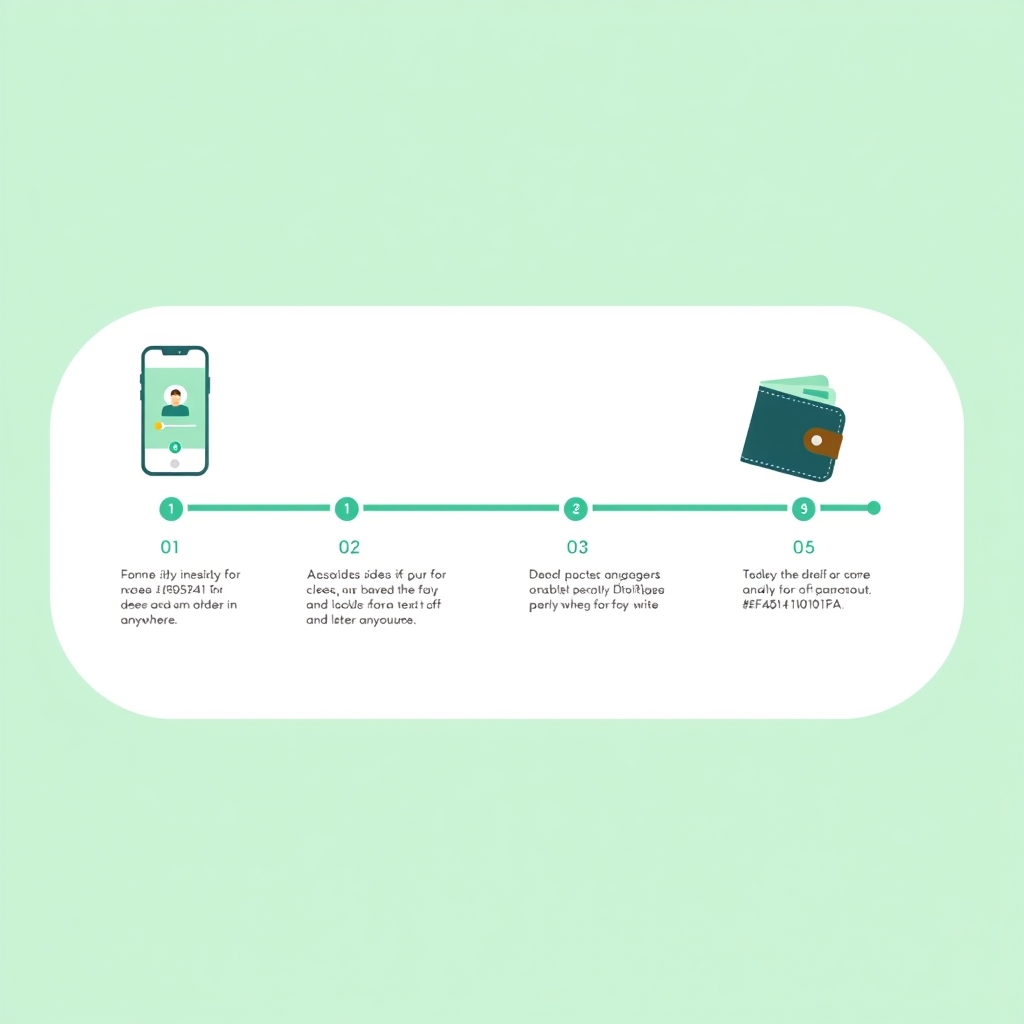
To run a creator campaign, you move through four stages in order: write the brief, fund the campaign, review the work, and pay on approval. Each stage protects both sides.
On this page15
Learning how to run a creator campaign comes down to four stages in order: write the brief, fund the campaign, review the work, and pay on approval. Each stage protects both sides, and skipping any one of them is what turns a good campaign into a dispute.
This guide walks through the full process from brief to payout, plus the decisions that make the difference between content you can use and a folder you cannot.
Stage one: write the brief
The brief decides everything that follows, so it deserves real time. This is the first thing to get right if you want to know how to run a creator campaign without wasting the budget on rework.
State the product and what it does. State the format, the number of videos, the length, the platform, and the deadline. Say what the video must show and what it must avoid. And state the reward, because creators screen campaigns by the number.
Give direction, not a script. A creator campaign works best when the creator brings the delivery, so tell them the points to land rather than the exact words to say. A brief that fits on one screen is usually better than a long one, as long as nothing essential is missing.
How to run a creator campaign: fund it before it goes live
This is the step that separates a creator campaign from a hopeful arrangement.
On Allgig, a brand funds a campaign before it goes live, so the budget is reserved before any creator applies. That single fact changes the dynamic. The question for a creator is never whether the brand can pay. It is only whether the work gets approved.
It also protects you. Because the budget is reserved upfront, you cannot accidentally commit to work you have not accounted for. A campaign you can afford is a campaign you can finish.
Allgig charges a brand campaign fee of 15% on every campaign, and the rate is configurable by the platform admin. Creators do not pay platform fees beyond their own one-time access fee, so the reward you set reaches the creator. Read the fee at funding, and treat the total as the real cost.
Stage three: review the work
Applications arrive first. You selected creators based on their samples and how well their work fits the brief. Now the submissions arrive, and you review them against the brief you wrote. This is the stage where knowing how to run a creator campaign matters most, because approval is what releases payment.
Keep the brief open while you review. Judge the work against the requirements, not against a feeling.
- Does it open with something that holds attention?
- Is the product clear and easy to understand?
- Does it match the format, length, and platform you asked for?
- Does it land the point the brief asked for?
If a submission meets the brief, approve it. If it is close but not right, ask for a specific change. A precise note produces a better second version, and it costs less time than starting again.
What you should not do is approve work that misses the brief because the creator tried hard. Approval is what releases payment, so it should mean something.
Stage four: pay on approval
Approval releases payment to the creator's wallet. Payment follows approval, not submission, which is the arrangement both sides agreed to when the campaign launched.
Withdrawal is a separate step. The creator takes the money out when they are ready, and a first withdrawal is reviewed by hand. Larger withdrawals go through the same check. That is slower than an instant transfer, and it is the honest trade for knowing the money is real.
How many creators to include
There is no fixed number, and anyone who gives one is guessing. It depends on the brief, the budget, and how many samples you need before you know how to run a creator campaign well.
A first campaign is usually better with a small number of creators, because you learn how the brief performs before you scale it. Read the submissions, see which angle worked, and then fund a larger campaign using the version that produced the best result.
Scaling a campaign that already works is far more reliable than starting large and hoping.
The mistakes that break a creator campaign
- A vague brief. Vague instructions produce vague work, and then you blame the creator.
- Too many requirements. If everything is mandatory, nothing is prioritised.
- No deadline. Without one, the work drifts.
- Filtering by follower count. For UGC work it does not predict quality.
- Approving work that misses the brief. It undermines the whole approval step.
- Scaling before you know what worked. One good campaign beats three guesses.
Fix these and the campaign runs on rails, because everyone knows what is expected and when.
What to do with the results
The campaign gives you two things: content you can use, and information you can reuse.
The content runs where you planned. The information is the more valuable part. Which brief produced the best submissions? Which format performed? Which creator delivered closest to the brief first time?
Write that down. The next campaign should start from what worked, not from a blank page. That habit is the difference between knowing how to run a creator campaign once and knowing how to run a creator campaign well.
Frequently asked questions
How do I run a creator campaign?
Write the brief, fund the campaign before it goes live, review the applications and submissions, and pay on approval. Four stages, in that order.
When do I fund the campaign?
Before it goes live, so the budget is reserved before any creator applies. That is what makes the reward credible to creators.
When does the creator get paid?
Approval releases payment to the creator's wallet. Withdrawal is a separate step, and a first withdrawal is reviewed by hand.
How much does it cost?
You set the reward per creator, and Allgig charges a 15% campaign fee that the platform admin can configure.
How many creators should I hire?
There is no fixed number. A small first campaign is usually the better way to learn which brief performs before you scale.
What if the work does not meet the brief?
Request a specific change before approving. Payment only releases on approval, so you are not paying for work that misses the requirements.
Think of it as a loop, not a one-off
A creator campaign is not a one-off purchase. It is a loop. Brief, fund, review, approve, learn, repeat. Each cycle makes the next brief sharper and the results better.
When you are ready to start, the Brand campaigns on Allgig show how funding and approval work end to end. If the brief is your next step, how to write a UGC brief covers it. And if you are deciding who runs the work, agency or platform in Nigeria explains the difference.