Get Paid for Posting Videos: How Funded Work Really Pays
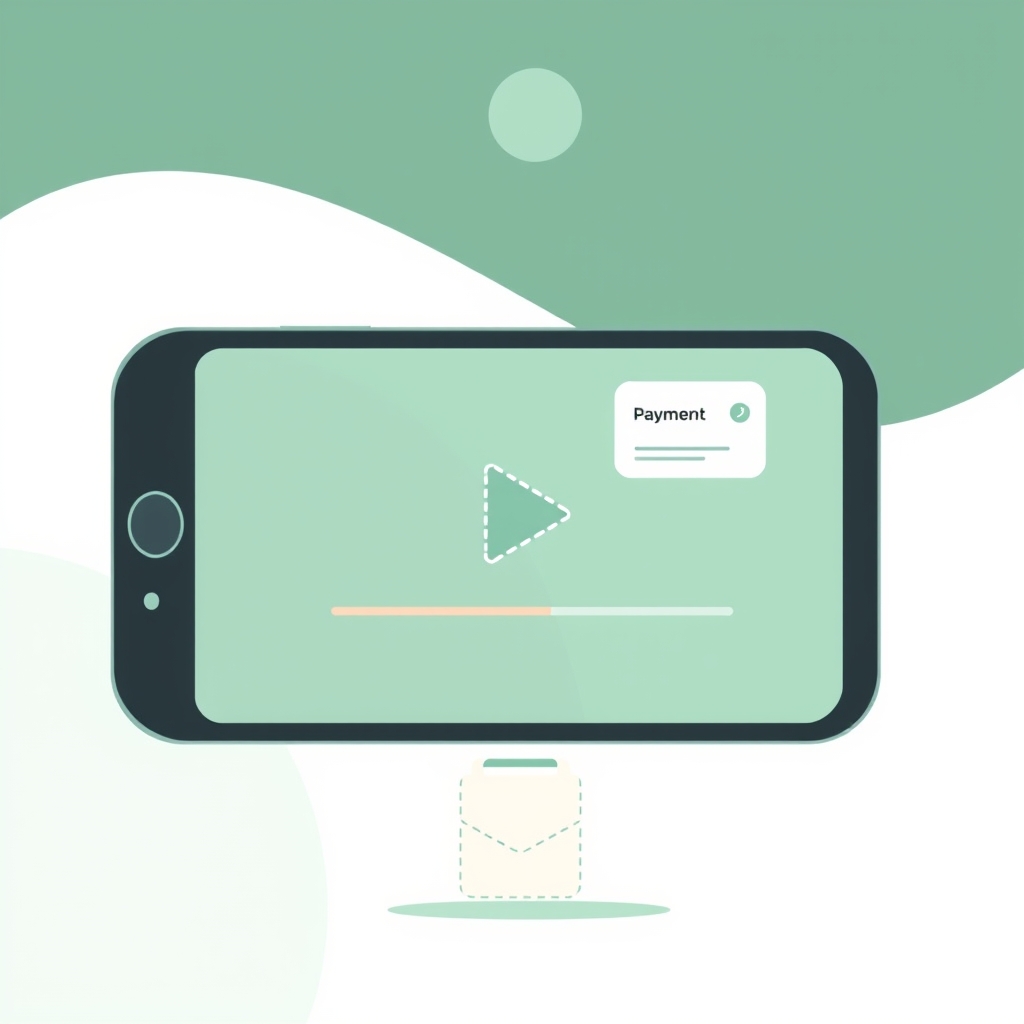
You can get paid for posting videos in two ways: platform ad revenue, which is slow and uncertain, or funded campaign work, where a brand reserves the budget before you film.
On this page17
You can get paid for posting videos in two very different ways, and only one of them lets you know what you will earn before you film. The first is chasing platform ad revenue, which is slow and uncertain. The second is funded campaign work, where a brand reserves the budget before you start and pays on approval.
This guide explains both honestly, then shows the path that actually pays on time.
The two ways to get paid for posting videos
The first is platform revenue. You post on your own account, the platform runs ads, and you earn a share if you qualify. It is real, and people do earn from it, but it depends on thresholds that many creators never reach, and it is not a job with a stated reward.
The second is campaign work. A brand has a product it wants shown, it funds a campaign, and it pays creators for approved videos. This is a job. The reward is written in the brief before you apply, and the budget is reserved before the campaign goes live.
Both are legitimate. The difference is predictability, and predictability is what lets you plan.
How campaign pay actually works
On Allgig, the order is fixed, and the order is what protects you.
- The brand writes a brief and states the reward.
- The brand funds the campaign, so the budget is reserved before it goes live.
- You apply, usually with a sample or a short pitch.
- The brand selects the creators it wants.
- You film and submit the video for review.
- The brand approves, or asks for a change.
- Approval releases payment to your wallet.
- You withdraw when you are ready. A first withdrawal is reviewed by hand, and larger withdrawals go through the same check.
Step two is the one to remember. The money is committed before you film, so the question is never whether the brand can pay. It is only whether the work gets approved.
What the videos actually look like
People imagine something complicated. In practice, the videos that get approved are simple.
A product review. An unboxing. A testimonial. A short demo of a phone app. A before-and-after. A lifestyle clip showing the product in use. Each one is usually between fifteen and sixty seconds, filmed vertically, with captions.
The video does not need a studio. It needs a clear opening, a clean shot of the product, and a reason for the viewer to keep watching. That is the whole craft.
What filming actually requires
Less than most people think.
You need a phone that can film and edit. You need the product, which the campaign provides or arranges. You need a light source, which a window provides for free. And you need to read the brief properly, because most rejected videos fail on the brief rather than the filming.
You do not need a following. You do not need an expensive camera. You do not need to show your face, because plenty of video content is hands-only or screen-based.
Why funded-first matters so much here
Most complaints about content work come down to one thing: the creator posted the video and the payment never arrived. The usual cause is that the brand was never committed to paying. There was no budget, only an intention.
A funded campaign removes that risk at the source. The money is reserved before the campaign goes live, so the question is never whether the brand can pay. It is only whether the work gets approved.
That does not mean every submission is approved. It means the reward is real and waiting. If your video is approved, payment follows. If it is not, you know why.
How to get paid for posting videos on TikTok and Instagram
The platform does not change the mechanism. It changes the format.
On TikTok, the clips tend to be faster and looser, with a strong hook in the first second. On Instagram, the same clip often needs slightly cleaner framing, because the feed is more visual and less chaotic.
Both platforms fund campaign work, and both judge the video on whether it holds attention. The reward is still stated before you apply, and approval still releases payment.
If you already post on either platform, you already have most of the skill. What you are adding is a brief to follow and a brand to pay you for the result.
Mistakes that stop people getting paid
Most people who never get paid for posting videos make the same mistakes.
- They wait for a large following before applying, when a following was never required.
- They ignore the brief, submitting a video that misses the length or the topic.
- They accept work with no stated reward, which is not a job.
- They post one video and give up, when consistency is what produces approved work.
Fix those and the path is straightforward, because you are now doing what paid creators do.
Frequently asked questions
Can you really get paid for posting videos?
Yes, in two ways. Platform ad revenue pays a share of ad income if you qualify, and funded campaigns pay a stated reward for approved work. The campaign route is the predictable one.
Do I need followers to get paid for posting videos?
No. Campaign work is judged on the video you submit, not on your audience size. A brand wants a clip that performs, and that is a craft question.
How much can I earn from posting videos?
Nobody can give you an honest fixed number, because it depends on the campaigns you complete. The reward is stated in the brief before you apply, which is the number that matters.
Can I get paid for posting videos on TikTok or Instagram?
Yes. Both platforms fund campaign work. The reward is stated upfront, and approval releases payment to your wallet.
Do I need to show my face?
No. Hands-only demos, unboxings, screen recordings, and voiceover videos are all real formats that brands fund.
How long until I get paid?
Payment follows approval, not submission. Once the brand approves your video, payment is released to your wallet, and you withdraw when you are ready.
Why brand size does not decide what you earn
People assume a big brand pays more for the videos you post. That is not always true.
A large brand may have a larger budget, but it also has more process and slower approvals. A smaller brand may move faster and be easier to work with. Neither pattern is guaranteed, and the brief is the only thing that tells you the actual reward.
So judge the campaign, not the logo. If you want to get paid for posting videos reliably, look at the reward and the scope on the brief, then decide.
What to do while you wait for your first approval
The waiting period is where most people give up, so it is worth planning for.
Keep filming short practice clips. Every one you make improves the eye and shortens the time it takes to film the next. Keep applying, because the campaigns available change weekly. And keep your samples updated, so the version a brand sees is your best current work rather than your first attempt.
Start with one funded campaign
The fastest way to understand this is to look at a real campaign. Read the brief, check the reward, and see whether the job makes sense for you. That takes five minutes and tells you more than any overview.
The video work on Allgig shows funded campaigns with the reward stated upfront. If you are new to the work, how to become a UGC creator covers the first steps. And if the payment terms are still unclear, the Allgig learning library explains them without jargon.